
It’s time to curse the internet with care
↓
↓
↓
↓
↓
↓
↓
Where it all began…
In 2020 I began noticing that I was always in various degrees of pain, fatigue, and nausea. At the end of 2023 I developed severe nerve pain, sending me to the emergency room many times (with little success). Eventually I returned to my childhood home for several months. This was a physically and mentally challenging time, however not at all unique. Many people face various chronic health conditions often with little awareness from the people around them. It got me thinking about my relationship to care. What it is. How both complicated and simple it can be.
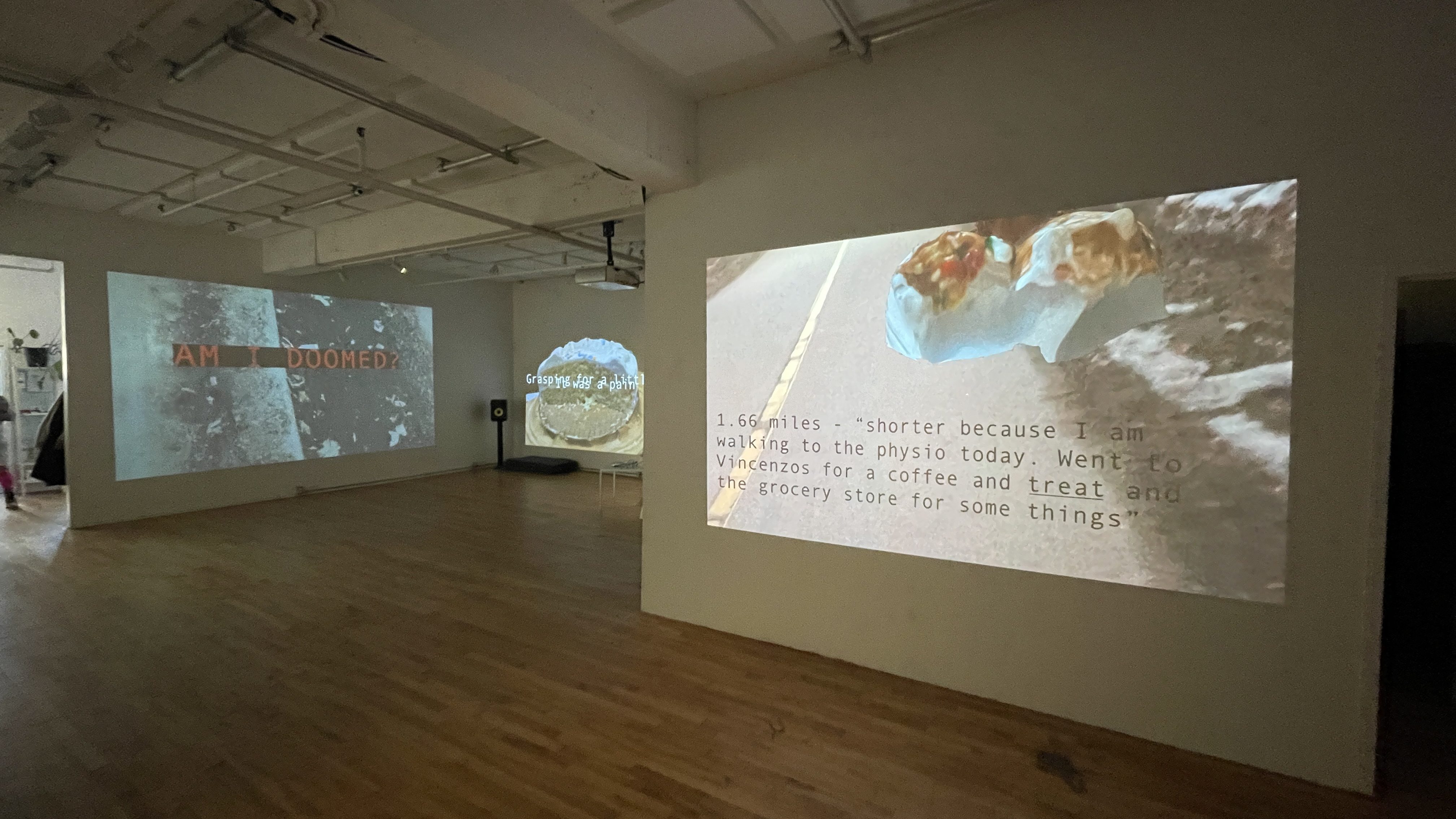
We have formal systems that are meant to care for us, hospitals, pharmacies, even the internet, but often they don’t, or worst…they harm us. From this curiosity emerged the project Walked Traces: Living With (___) which I was lucky enough to work on during a residency at Ada X (2025).
During this residency I continued to be drawn to the roll of objects within this care ecosystem. And how these objects can be both universal, like 🍫, but also very personal like 🧣.
“There is nothing more vulnerable than caring for someone [or something]; it means not only giving your energy to that which is not you but also caring for that which is beyond or outside your control. Caring is anxious—to be full of care, to be careful, is to take care of things by becoming anxious about their future, where the future is embodied in the fragility of an object whose persistence matters.” – Sarah Ahmed, The Promise of Happiness
From this emerged the VR participatory work Objects of Care. This project has been a wonderful opportunity to bridge personal stories shared by participants, their personal objects, and the use of technology to co-create a digital space of care as defined by eachothers contributions.
It is this continued curiosity around what constitutes an object-of-care and the importance of them items in our lives which gave birth to Cursors of Care…todays workshop!
↓
↓
↓
↓
↓
↓
↓
↓
↓
↓
↓
CURSORS OF CARE 🪄✨
WHY?! it is a small, simple yet powerful opportunity to infuse what serves YOU into the internet. You are not only changing your cursor but what others see too. Your custom cursor may make navigation slower, more inefficient (it’s hard to click on links when your cursor is an ice cream cone or dinosaur) and hopefully a little more playful. Together we are cursing the internet with care.
Next 30-40 min: reflect on what objects care for us >> create pixel art of one of those objects >> turn that pixel art into a cursor on your computer (Windows) or website (CSS/JAVASCRIPT)
↓
↓
↓
↓
↓
↓
↓
↓
↓
↓
↓
NOTE: this presentation is simply a page on my website, which you can return to later if you wish!
STEP 1: Make a list
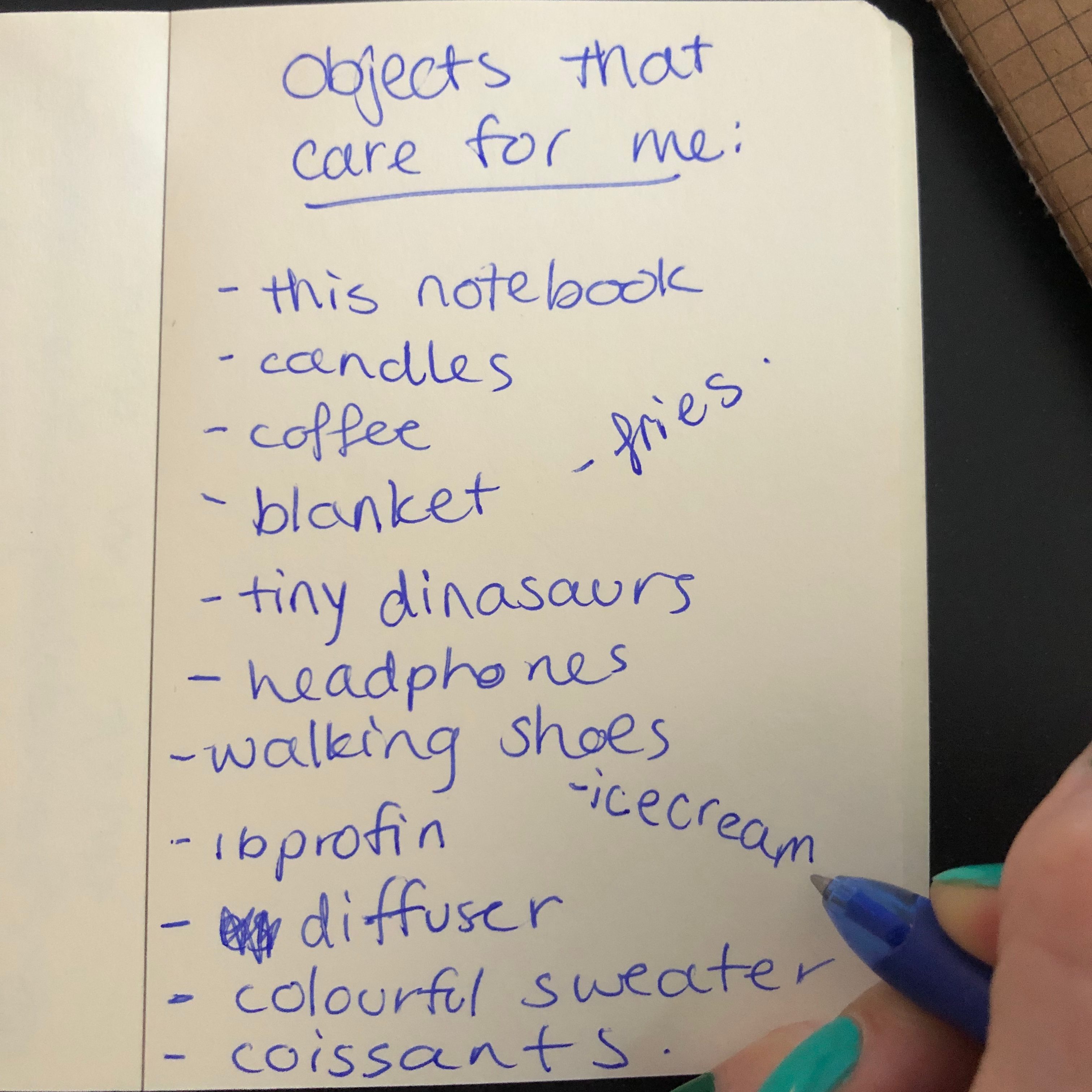
[3min] What cares for you? Write a list of objects that care for you. Try not to sensor yourself and just write whatever comes to mind. If you want: share one of the objects-of-care in your list in the chat.
⋆.˚⟡ ࣪ ˖
STEP 2: Sketch it
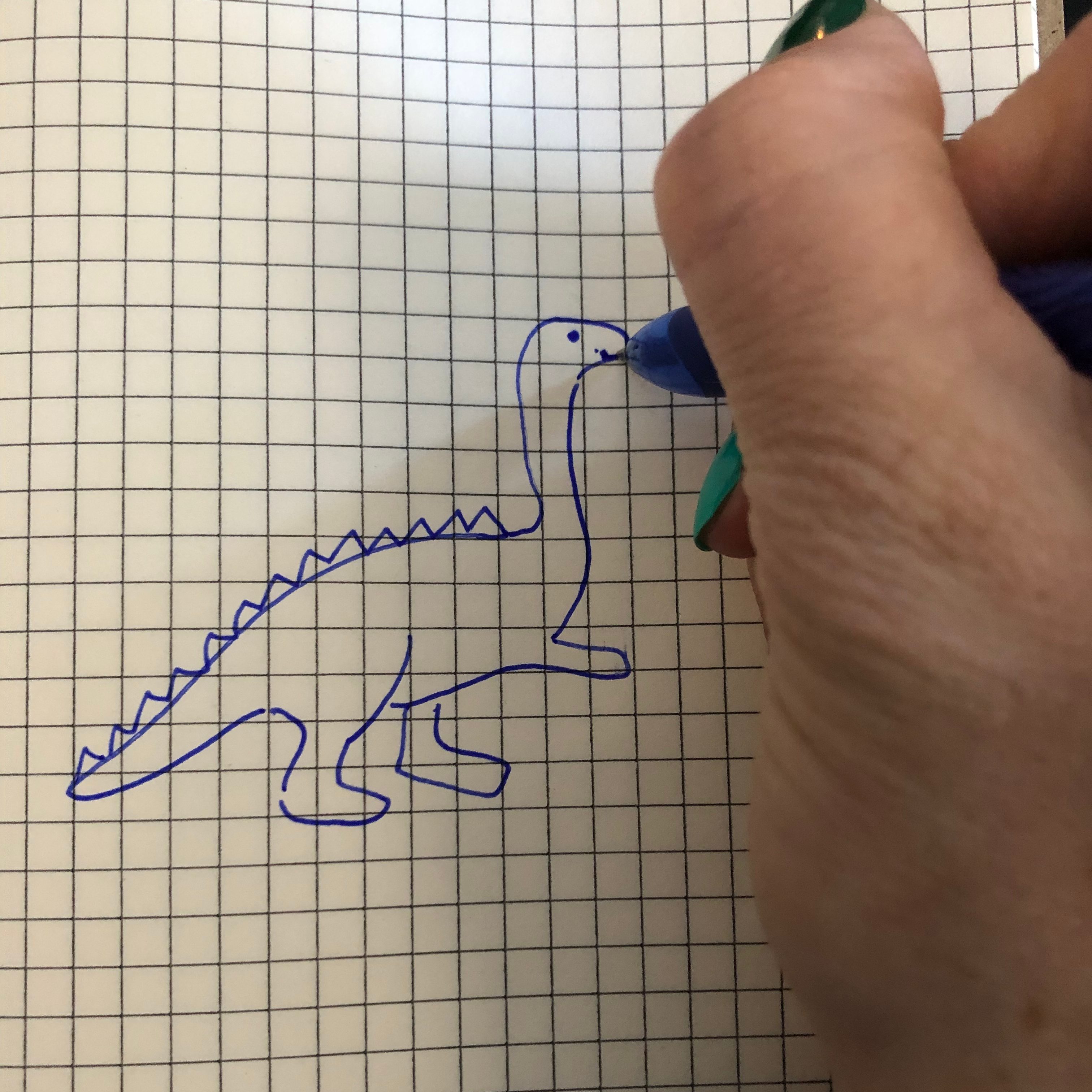
[2 min] Choose one of the objects you would like to convert into a cursor of care. Do a VERY simple sketch of your selected object that cares for you to get you ready for the pixel art.
NOTE: Feel free to think creatively around how you want to represent the object. Perhaps there is a feeling or essence you want to capture rather then a literal visual representation of the object. i.e. if your bed is one of the objects, perhaps you create a pillow for your cursor?
⋆.˚⟡ ࣪ ˖
[15min] PIXEL ART VERSION OF YOUR “OBJECT”
STEP 3: Draw the Object
Head to pixelart.com > it’s a free platform for creating low-fi pixel art which does not require you to create an account.

NOTE: I found the dimensions of 50 x 50 the best size, but feel free to experiment!
Now that you have a new document, create your drawing, below are a few videos to help you see how to change your pencil size, colour, and shade the drawing. I generally just use the pencil and eraser tool, but feel free to get wild!


✩ Add different layers (right panel) to create outlines, colour blocks, and shading.
✩ Change the pixel size of your pencil with the slider at the top of the screen.
✩ Change the colour of your pencil by double clicking on the colour square at the bottom of the left tool bar.
⋆.˚⟡ ࣪ ˖
STEP 4: Shade Your Object
I find this step really brings the object to life!
Click on the icon on the left tool bar that looks like a white and black ball.


✩ When the box “lighter” is selected at the top then shading becomes highlights.
⋆.˚⟡ ࣪ ˖
STEP 5: Download your pixelated object as PNG!
Go to File > EXPORT/DOWNLOAD > Click the big blue button that says “download PNG”
Note: make sure your dimensions are correct, as you can see here, the first time I saved the dinosaur I had the wrong dimensions (32 x 32).


feel free to download the pixel art objects-of-care above (ice cream, fries, and dino dude) if you want to follow along but are not done making your own object 😉
↓
↓
↓
↓
↓
↓
↓
↓
↓
↓
↓
okay…
↓
↓
↓
↓
↓
↓
↓
↓
↓
↓
↓
You have your object of care in pixel form 
↓
↓
↓
↓
↓
↓
↓
↓
↓
↓
↓
now lets turn it into a cursor!
⋆.˚⟡ ࣪ ˖
[20min] CUSTOMIZE YOUR CURSOR!
Three ways to do this:
WINDOWS/MICROSOFT USERS
It is pretty easy to customize your cursor on Windows (not so easy on Apple ) so I have included some of the basic steps below:
Step 1: convert your png pixelated object-of-care to “cursor file type” or .cur. Save it somewhere you can find it.
Step 2: Navigate to Settings > Devices > Mouse
Step 3: Select the “Pointers” tab and click “Normal Select” in the list of mouse options, a window should pop up.
Step 4: Select your custom cursor (saved in cursor file type) and click “Apply”
That’s it! Your personal computer should now be cursed by care!
CSS
This is what I used to customize my website cursor.
Note, I use WordPress to host my website, so depending how your website is set-up it may vary where you find the option to customize the css.
Below is the code
The code I used to turn the cursor on this page into a dinosaur once it hit “customize your cursor!” is:
.customize-cursor {
cursor: url(‘https://triciaenns.com/wp-content/uploads/2026/04/diansaur-1.png‘),auto;
}
———–NOTES on the code:————-
customize-cursor – a custom css class I definedhttps://triciaenns.com/wp-content/uploads/2026/04/diansaur-1.png – the location, as a url, of the image which the cursor is assigned to. I uploaded the image to my websites media files first and then used the url generated there.
APPLY TO A SPECIFIC ITEM/OBJECT
customize css class {
cursor: url(‘url of image’),auto;
}
APPLY TO ENTIRE WEBSITE
body {
cursor: url(‘url of image’),auto;
}
APPLY TO HOME PAGE
.home {
cursor: url(‘url of image‘), auto;
}
APPLY TO A SPECIFIC PAGE
.page-id-# {
cursor: url(‘url of image’),auto;
}
Note: we are replacing the auto cursor, the cursor style that is visible most of the time, BUT the default image for when you hover over links will still appear. But you can change that too! Here is a comprehensive list of the different cursors, you can customize as many as you want!
So many ways to curse your website with care!
JAVASCRIPT
For this workshop we will use p5.js to demo how to use javascript to customize your cursor. Note, you do need to create an account in order to use p5.js, if you do not want to create ANOTHER account (I get it) you can just follow along using the sketch I created: https://editor.p5js.org/triciaenns/sketches/RfWO9MGA0
p5.js is a great platform for learning and prototyping, but eventually, if you are vibing with javascript I would suggest migrating to Visual Studio Code, I only know this due to mentors and colleagues.
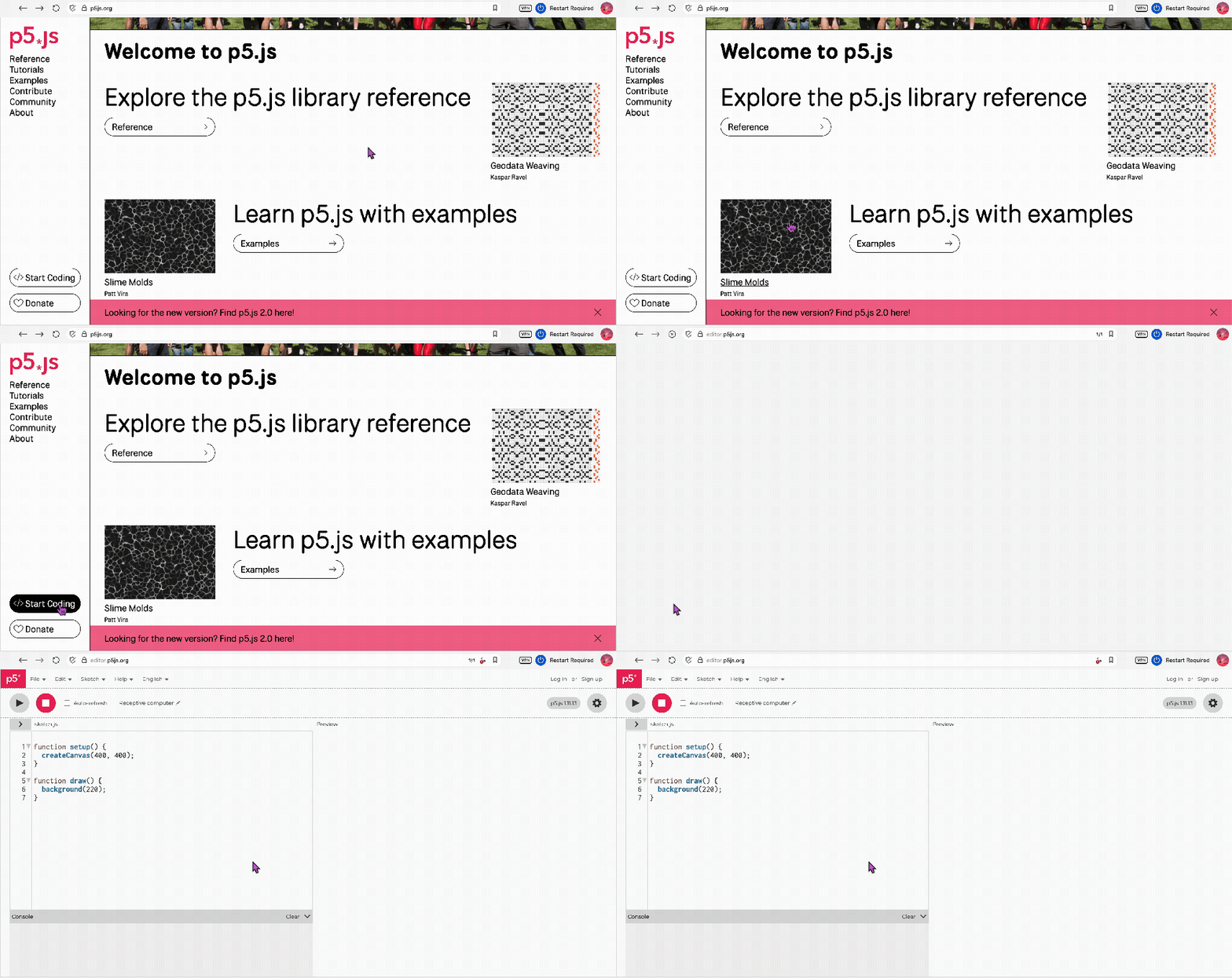
Delete the code that is currently in the left hand column and copy and paste the code I have included below:
//code below draws from https://editor.p5js.org/xinxin/sketches/6GBSG
let cursorImg; // defining the variable “cursorImg” which will be assigned an image later
function preload() // this function is called once to before the “looping code” to assign an image to CursorImg
{
cursorImg = loadImage(“cursor_of_care.png”);
}
function setup() { //just defining the visual parameters we can interact within
createCanvas(800, 800);
noCursor(); //stops the default cursor from being visible
}
function draw() {
background(250); //background colour of screen
image(cursorImg, mouseX, mouseY); //this uses the image constructor which basically creates a new image at location mouseX, mouseY evertime the code is run through
}
If you click on the arrow on the left you will notice there are other files. You do not need to change anything in the CSS or HTML, you do, however, need to add your image file, saved as “cursors_of_care.png” so that the preload() function has something to point towards.

Now just press the big red play button and see in the right column your cursor of care dancing about.
You have succeeded in cursing p5.js with care!
⋆.˚⟡ ࣪ ˖
Take Aways!
Changing your cursor is a small gesture, yet what it points to is a lot bigger! It offers an opportunity to critique the different systems and interfaces we just accept without stopping to think…could this be different? Could it be funnier? More playful? More caring?
Cursors of care is a playful way of reflecting yourself into the screens you stare at all day long. And I hope that, perhaps, it will provide you, and others, with a few reminders of the objects that care for you.
One curser at a time, we will saturate the internet with inefficient, pixelated, and slightly lumpy care! ⋆.˚⟡ ࣪ ˖
 tricia enns - artist/designer/mischief maker